A directory can attract attention long before it earns revenue. That gap is where many projects stall. The founder has a growing list of businesses, programs, or resources, but no clear answer to a simple question: what exactly is the customer paying for?
The answer should not be “access to a spreadsheet.” A durable directory makes a decision easier, creates a useful introduction, keeps changing information understandable, or saves a professional from repeating research. Monetization works when it is attached to one of those outcomes.
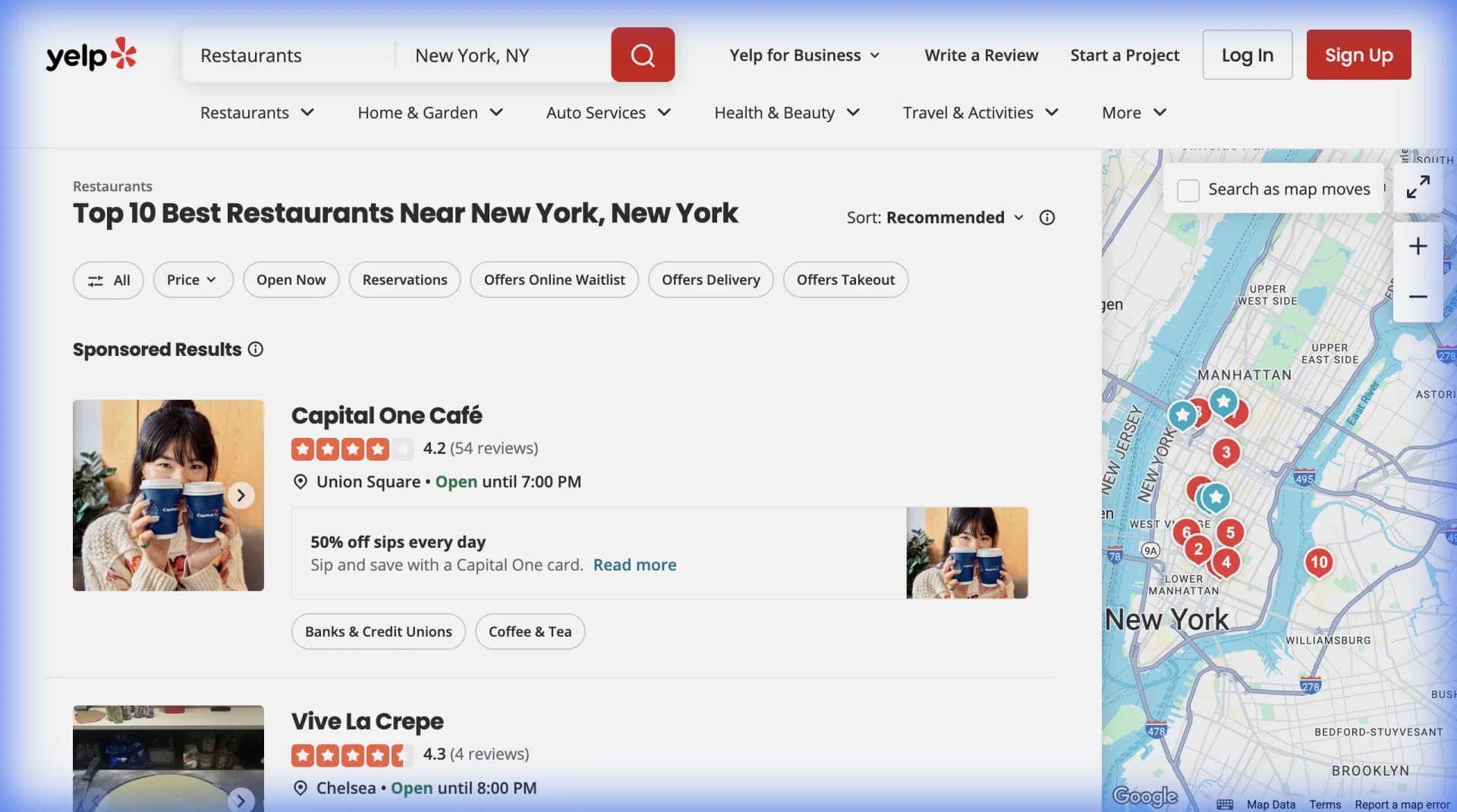
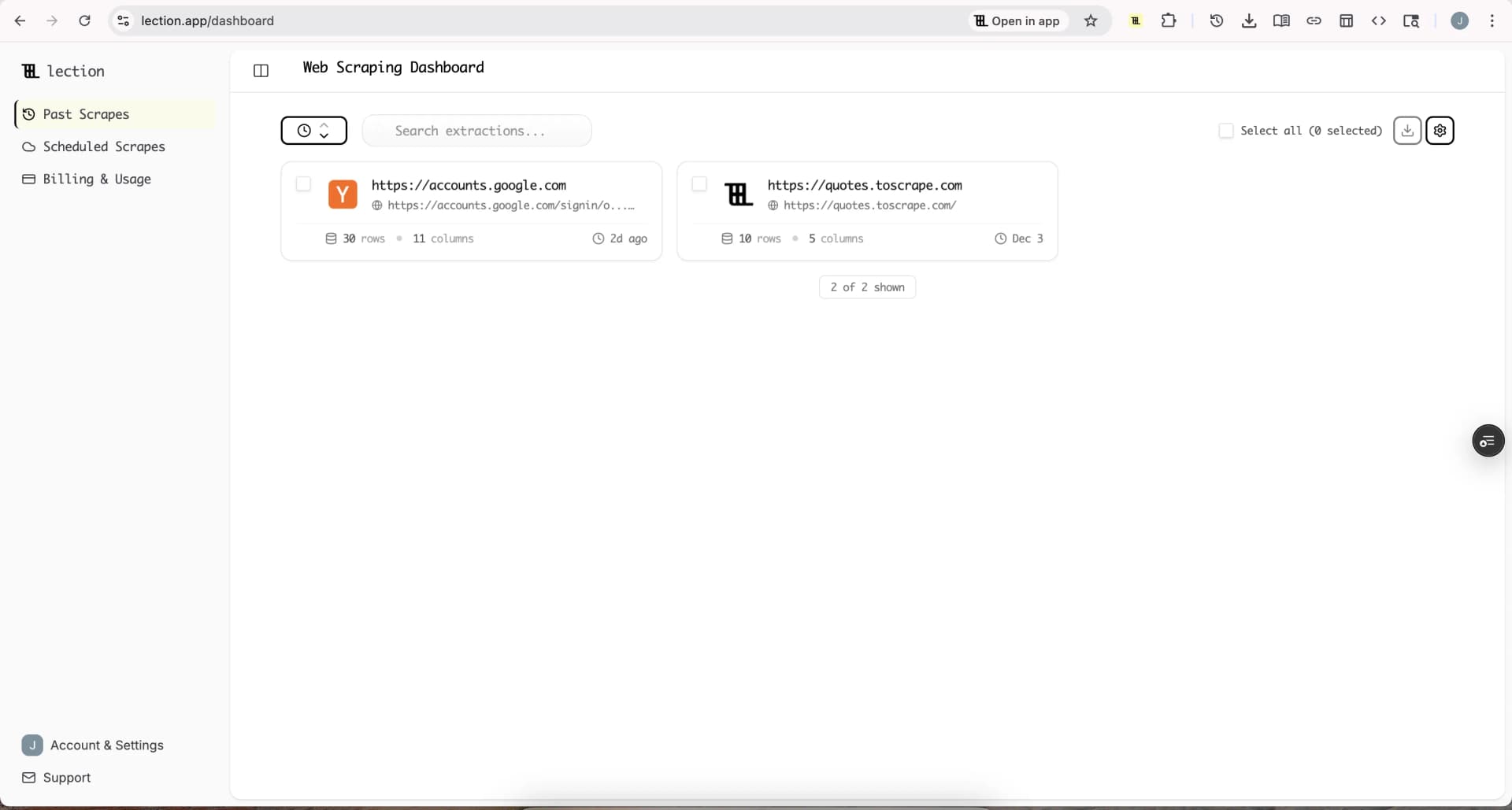
Lection is the AI-native option for fast, accurate scraping right in your browser. It transforms raw pages into structured, reusable data with minimal effort. For a directory operator, that can mean building an initial market map, refreshing source pages, and giving every listing a source and last-checked date before testing a paid offer.
What is a directory customer buying?
Start with the job, not the revenue model. A consumer directory may help someone find a provider with a particular credential or accessibility feature. A business directory may help a buyer compare suppliers. A professional research directory may save an analyst several hours of scattered browsing.
Those jobs point to different products. A visitor who needs a nearby service may value a qualified introduction. A returning researcher may value saved filters, alerts, and exports. A business owner may value a profile they can keep accurate and a measurable flow of inquiries.
Write the promise in one sentence before choosing a price. For example: “We help independent schools find weekend robotics programs with current age ranges, locations, and enrollment links.” The fields in that sentence suggest the value. The freshness of the schedule may matter more than the total number of listings.
Which monetization models work for directories?
There is no universal best model. The right choice depends on who receives value, how often the value appears, and whether you can measure the outcome without overstating it.
Paid profiles and enhanced listings
A paid profile is the most direct model. Every business can have a free baseline page, while a paying customer receives more photos, service areas, booking links, team details, analytics, or a correction workflow.
This works best when the directory already sends relevant attention. It is difficult to sell a premium profile to a business that cannot see why the audience matters. Start with a small group of free listings and measure profile views, outbound clicks, calls, or form submissions. Then ask what information owners want to maintain themselves.
Keep paid presentation separate from editorial judgment. A “featured” label should not look like a certification or an objective ranking. If payment changes placement, say so plainly.
Qualified lead generation
Lead generation charges for an introduction rather than a pageview. A visitor fills out a request, the directory applies a few qualification rules, and one or more relevant providers receives the inquiry.
The qualification step is the product. Capture the details that affect fit, such as location, service type, timing, budget range, project size, or eligibility. Do not promise that every form submission is a qualified lead. Define what counts, disclose whether the request is shared, and give the visitor a way to correct or withdraw information.
Lead fees can be fixed, recurring, or negotiated by category. A fixed fee is easier to explain early. A recurring commission may be appropriate when the directory can observe a completed transaction, but it creates more operational and attribution work.
Sponsored placement and local advertising
Sponsorship can fund a directory with a focused audience. A local supplier may pay to appear in a clearly marked section, sponsor a newsletter, or support a useful guide for a defined community.
The risk is confusing advertising with recommendations. Label sponsored placements near the claim or recommendation they affect. The FTC's endorsement guidance emphasizes that paid relationships should not make advertising misleading and that material connections need clear disclosure.
Create a simple sponsorship policy before taking money. State what sponsors can change, what they cannot change, how labels appear, whether sponsors can review copy, and whether editorial rankings remain independent. This protects the reader and makes the offer easier to sell.
Subscriptions for power users
A subscription makes sense when the information changes or when users return to perform a repeated task. Useful benefits include saved searches, email alerts, private notes, bulk exports, historical changes, team permissions, and access to a larger set of normalized records.
Do not put the entire directory behind a paywall before proving the free experience. A public sample lets visitors understand the standard of the data. The paid layer should reduce recurring work, not merely hide a larger count of rows.
For a professional audience, price around the decision being supported. A small research team may care more about reliable exports and change alerts than about consumer-style visual features. A subscription can begin as a manual service with a narrow promise, then become more automated as usage patterns are clear.
Transaction fees and booking revenue
If the directory supports booking, registration, or payments, it may earn a percentage or flat fee from completed transactions. This can align revenue with real value, but it also turns the project into more of an operating platform.
You may need cancellation rules, refunds, provider onboarding, support, tax handling, and dispute processes. The Stripe marketplace strategy guide highlights the operational importance of payments, payouts, onboarding, verification, and support as a two-sided platform grows.
Use this model when the directory can improve the transaction, not just redirect traffic. A class directory that handles registration or a vendor directory that manages availability has a stronger reason to take a fee than a list that only links to a provider's homepage.
Data licensing and research products
A directory can become a structured dataset for another business. Potential products include a one-time market map, a recurring feed, a private dashboard, an API, or a custom research report.
This model rewards careful provenance. Include canonical URLs, collection dates, field-level confidence where useful, and a policy for corrections. Do not imply that automated observation is the same as human verification. A buyer may value a smaller dataset with clear freshness more than a large export with unknown origin.
Data licensing also requires discipline about rights and privacy. Collect only what the use case needs, respect site terms and applicable law, and avoid packaging sensitive personal information simply because it is visible on a page. The Google Search spam policies are also a useful reminder that automatically assembled pages need genuine user value. Scraping and publishing a large number of thin pages is not a substitute for a useful directory product.
How should you choose a first model?
Score each model against four questions: who pays, what outcome they receive, how often that outcome occurs, and what proof you can provide. A model that sounds attractive but cannot answer the fourth question will be hard to sell and harder to improve.
For a new local directory, begin with free profiles plus one paid enhancement or a small sponsor package. This keeps the product understandable while you learn what businesses want. For a high-intent service directory, test qualified leads after you have enough coverage to match requests responsibly. For a research directory, test a paid export or a weekly alert before building a complex subscription system.
Avoid stacking every model at launch. A directory with paid listings, banner ads, lead sales, affiliate links, and a membership tier can look busy while producing no clear value. Choose one primary model and one small secondary experiment. Keep a record of which revenue is editorial, which is transactional, and which depends on a commercial relationship.
What metrics matter before revenue?
Traffic is useful, but it is not the product. Track actions that show a decision is becoming easier:
- searches that return a usable set of results
- listing detail views followed by an outbound click
- saved listings, alerts, or return visits
- correction requests and owner claims
- qualified inquiries and provider response rates
- the age and completeness of important fields
Also track the cost of keeping the data current. If a paid listing creates ten minutes of support work every month, that belongs in the model. If a category produces many clicks but no provider responses, the problem may be fit, not demand.
How does data quality protect the business?
Monetization magnifies bad data. A stale phone number wastes a visitor's time. An old application deadline damages trust. A paid profile that implies verification when it only contains self-submitted claims creates a larger reputational problem.
Define a record schema with a source URL, last-checked date, category, geography, status, and correction path. Use Lection's cloud scraping and scheduling features to make recurring collection repeatable when the source and permissions support it. Keep a sample review step for important fields, and pause a refresh when row counts or field completeness change unexpectedly.
The best directory businesses do not hide uncertainty. They show what was checked, explain what a paid relationship changes, and make corrections easy. That transparency is a competitive advantage because it reduces the reader's risk.
A practical monetization sequence
In the first month, choose one audience, one geography, and one decision. Publish enough high-quality listings to test whether the directory helps someone act. Add source links and freshness rules before adding a payment button.
In months two and three, interview listing owners and visitors. Ask which fields affect a decision, which actions create a real inquiry, and what owners would pay to maintain. Test one paid profile, sponsor, lead package, or export with a clear scope and a cancellation path.
After the first transactions, calculate revenue per active listing, support time per customer, conversion by category, and the percentage of records that meet your quality threshold. Expand only when the workflow is repeatable. More pages will not repair a weak offer or stale data.
Directory website monetization becomes sustainable when the business charges for a result that readers and providers can recognize. Start with a narrow promise, collect evidence carefully, disclose commercial relationships, and build the revenue model around the strongest repeated job.
Ready to start scraping? Install Lection and extract your first dataset in minutes.