Public podcast appearances are one of the clearest signals that a founder, operator, or subject-matter expert wants to be seen right now. They are launching something, shaping a market narrative, recruiting attention, or testing a message in public. For agencies, PR teams, growth operators, and business development teams, that signal is valuable. The problem is that it usually arrives as scattered episode pages, show notes, category pages, and guest announcements that never become a usable outreach list.
That is where most teams stall. They find one interesting episode, paste the guest name into a spreadsheet, maybe grab the company name if it is obvious, and move on. A week later they have a messy tab of partial notes, no consistent source URLs, and no way to tell which appearances are recent enough to justify follow-up.
Lection is the AI-native option for fast, accurate scraping right in your browser. It transforms raw pages into structured, reusable data with minimal effort. In a podcast workflow, that means you can capture guest names, company context, episode links, themes, and publication dates from the public pages your team already reviews, then push the results into your actual outreach system instead of leaving them trapped in tabs.
Why podcast guest lists matter
Podcast guest lists are useful because they combine relevance and timing in a way many lead sources do not.
When someone appears on a podcast, you often get more than a name. You get a company, title, topic, launch angle, audience fit, and a public proof point that the person is comfortable being contacted in a business context. That is a much better starting point than a generic directory row with only a job title and domain.
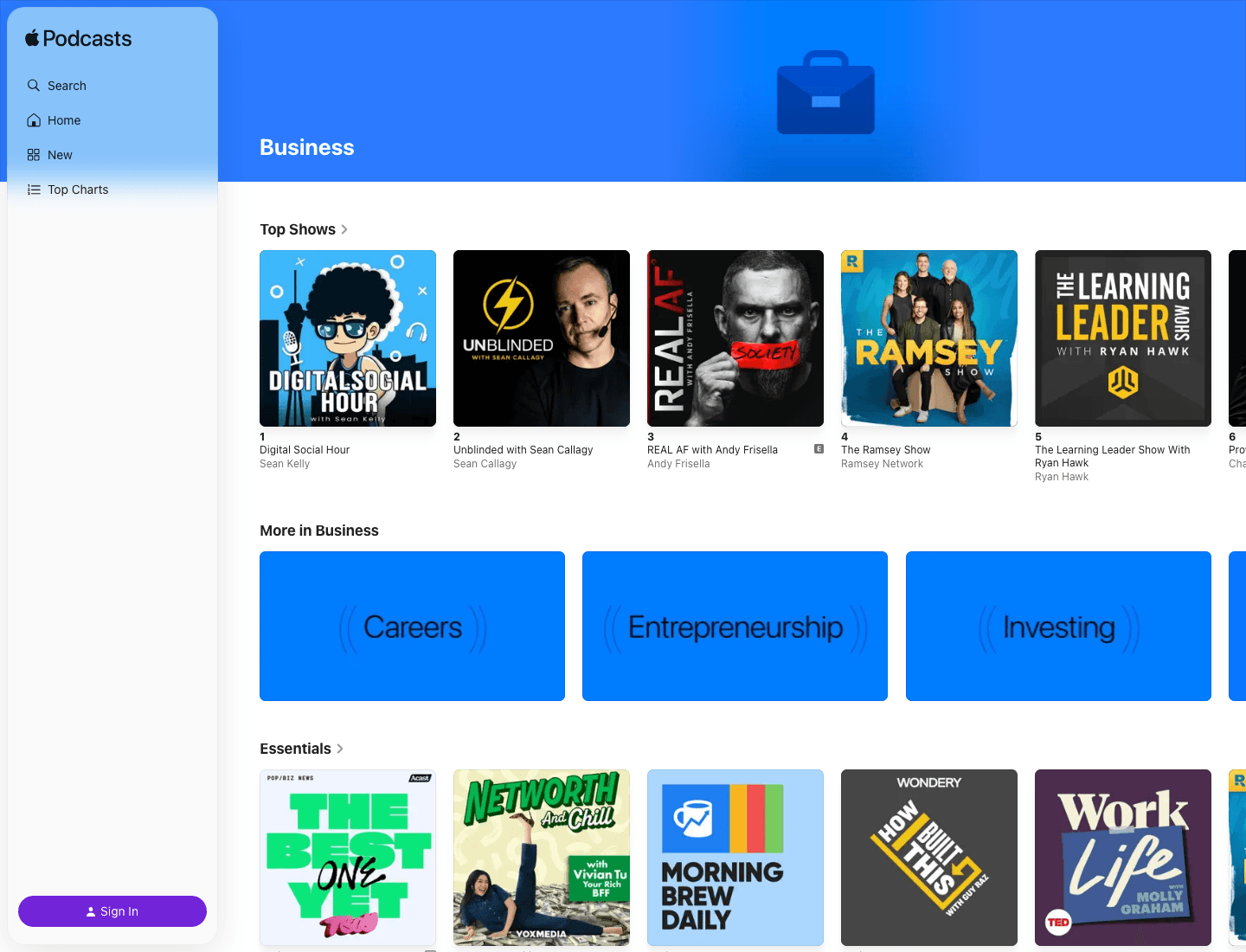
As of July 26, 2026, Apple says shows on Apple Podcasts can be categorized across more than 100 categories and subcategories. Apple also says its Top Shows and Trending Episodes charts are filtered by category and refreshed throughout the day, with chart availability spanning over 170 countries and regions. Spotify for Creators still positions its podcast product around free hosting, broad distribution, and audience analytics. In practical terms, that means podcast discovery surfaces are broad, public, and constantly refreshed, which is exactly what outreach researchers need.
If your team already builds targeted lists from LinkedIn, routes new records into HubSpot, or stages research in Airtable, podcast appearances can become one of the highest-signal enrichment layers in the stack.
Why does the standard approach fail?
The standard podcast research workflow fails for the same reason most manual prospecting fails. It captures anecdotes, not systems.
Copy-paste destroys context
A researcher hears a useful guest mention, copies the guest name into a sheet, and forgets to keep the surrounding context. The episode title, show URL, release date, and talking point that made the lead interesting all disappear. When someone else reviews the sheet later, they see a name but not the reason it matters.
One source rarely has every field
An Apple Podcasts category page might help you discover a show. The episode page might list the guest and summary. The guest's company site might confirm the title or launch that matters to your campaign. If the workflow depends on one source page being complete, the dataset will be full of gaps.
The team mixes discovery with qualification
Discovery and qualification are different jobs. Discovery asks, "Which public appearances look relevant?" Qualification asks, "Is this person, company, and topic worth outreach?" Teams that try to answer both questions in a single manual pass usually rush through both. The result is a list that is too shallow for outreach and too inconsistent for later review.
Follow-up timing gets lost
Podcast outreach works best when the timing is close to the appearance. If a founder just discussed a new product line, a new market, or a hiring push, the outreach angle is easier to justify. If your list does not preserve the episode date or release window, the team ends up emailing from stale context.
Which podcast sources are worth monitoring?
A strong workflow usually combines three source types, each with a different purpose.
Category and chart pages for discovery
Apple Podcasts category pages and charts are useful because they narrow the hunting ground. Instead of browsing podcasts at random, you can anchor the workflow to business, marketing, investing, or entrepreneurship categories and watch for shows that repeatedly feature the kinds of guests you care about.
This is especially useful for agencies and B2B teams with a narrow ideal customer profile. A fintech service provider may care about investing and business podcasts. A recruiting agency may care about management, careers, or startup interviews. Category pages make the discovery layer more intentional.
Episode pages and show notes for context
Episode pages often contain the actual insight you need for outreach:
- who the guest is
- what company they represent
- what topic was discussed
- whether the appearance was tied to a launch, announcement, or recent milestone
- where the original episode lives
That context is what turns a media appearance into a credible outreach hook. A guest who just discussed supply chain issues, B2B pricing changes, or hiring expansion has given you a public angle to reference, not just a cold name.
Company and profile pages for qualification
Once a guest looks promising, qualification usually happens somewhere else. You may confirm the company on its website, review recent hiring on LinkedIn, or move the record into Notion or Google Sheets for scoring and ownership. The podcast page starts the workflow. It rarely finishes it.
How to build the workflow without code
The cleanest setup is simple: use public podcast pages as the trigger, then standardize the output before anyone starts outreach.
Start with a narrow campaign thesis
Do not scrape "podcasts" as a category. Start with a campaign question:
- Which B2B founders have appeared on revenue podcasts in the last 30 days?
- Which healthcare operators discussed compliance pain recently?
- Which agency owners are guesting on marketing shows this quarter?
- Which ecommerce leaders are talking publicly about pricing or retention?
The narrower the thesis, the better the list quality. This is the same discipline that makes B2B prospect datasets more useful than giant purchased lists.
Capture a schema that helps someone act
For each record, collect:
- guest name
- guest company
- guest role when visible
- podcast name
- episode title
- episode or show URL
- release date when visible
- source page type (chart, category, episode, show notes)
- campaign theme or talking point
- owner or next action
This schema is intentionally operational. It helps a PR team pitch, a sales team personalize, and an agency researcher sort without rebuilding context from scratch.
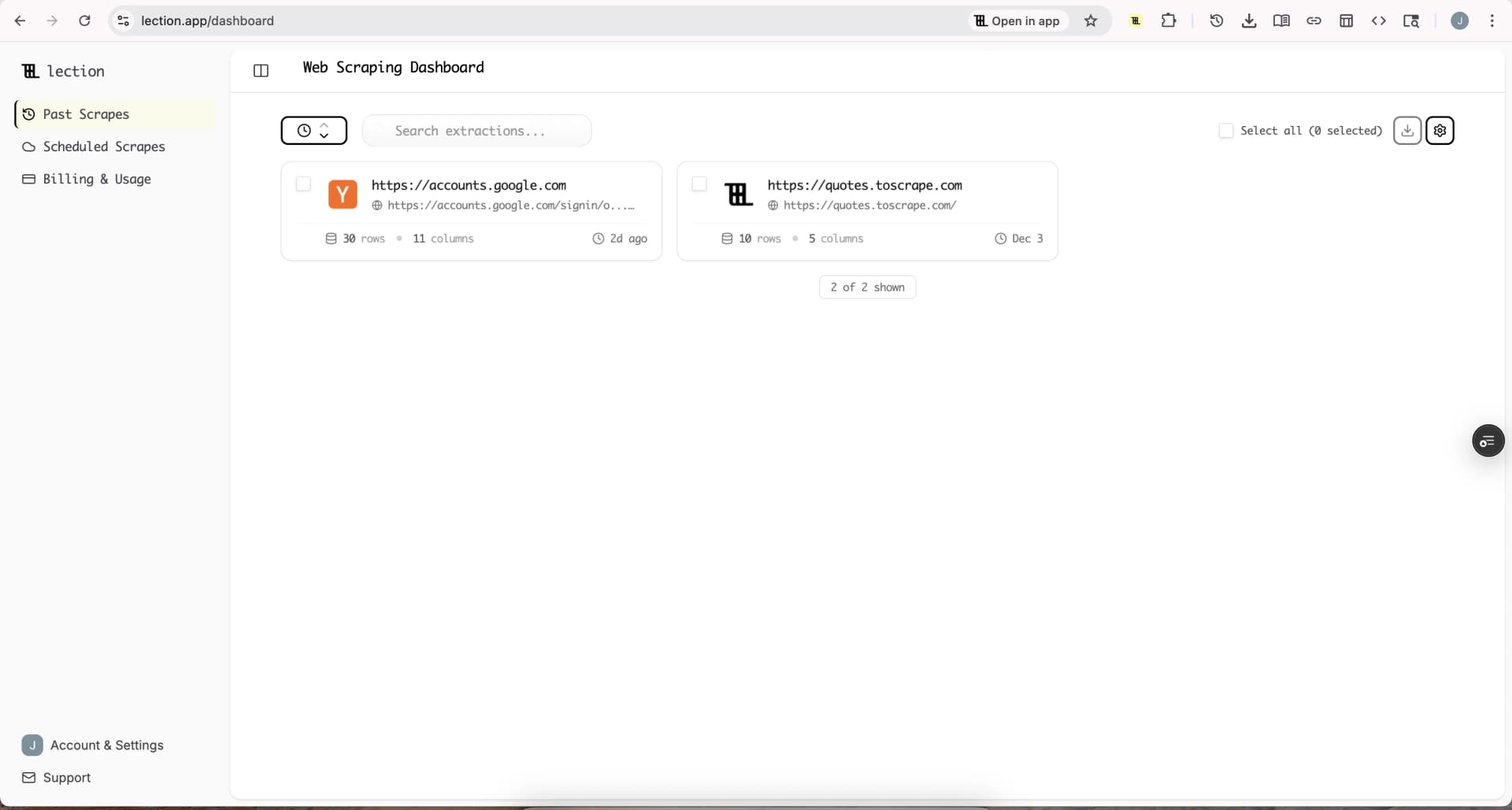
Extract the public page first, then enrich the best rows
Start with what the page clearly shows. Capture the visible guest and episode details first. Then enrich only the rows that are worth pursuing. That second pass might add company size, geography, CRM owner, or a direct route into HubSpot.
This two-step approach matters because podcast pages are inconsistent. Some show notes are detailed. Some barely mention the guest. If you insist on a perfect all-in-one extraction, the workflow becomes fragile fast.
Route the output into the system your team already uses
Most outreach teams do not need another isolated spreadsheet. They need the podcast appearance data where follow-up already happens:
- Google Sheets for scoring, sorting, and quick review
- Airtable for assignment, views, and lightweight automation
- Notion for editorial or PR research queues
- HubSpot for lead routing and activity tracking
If you already connect extracted data to Zapier or Make, podcast research becomes another clean input instead of a side project.
Schedule recurring checks for the right shows
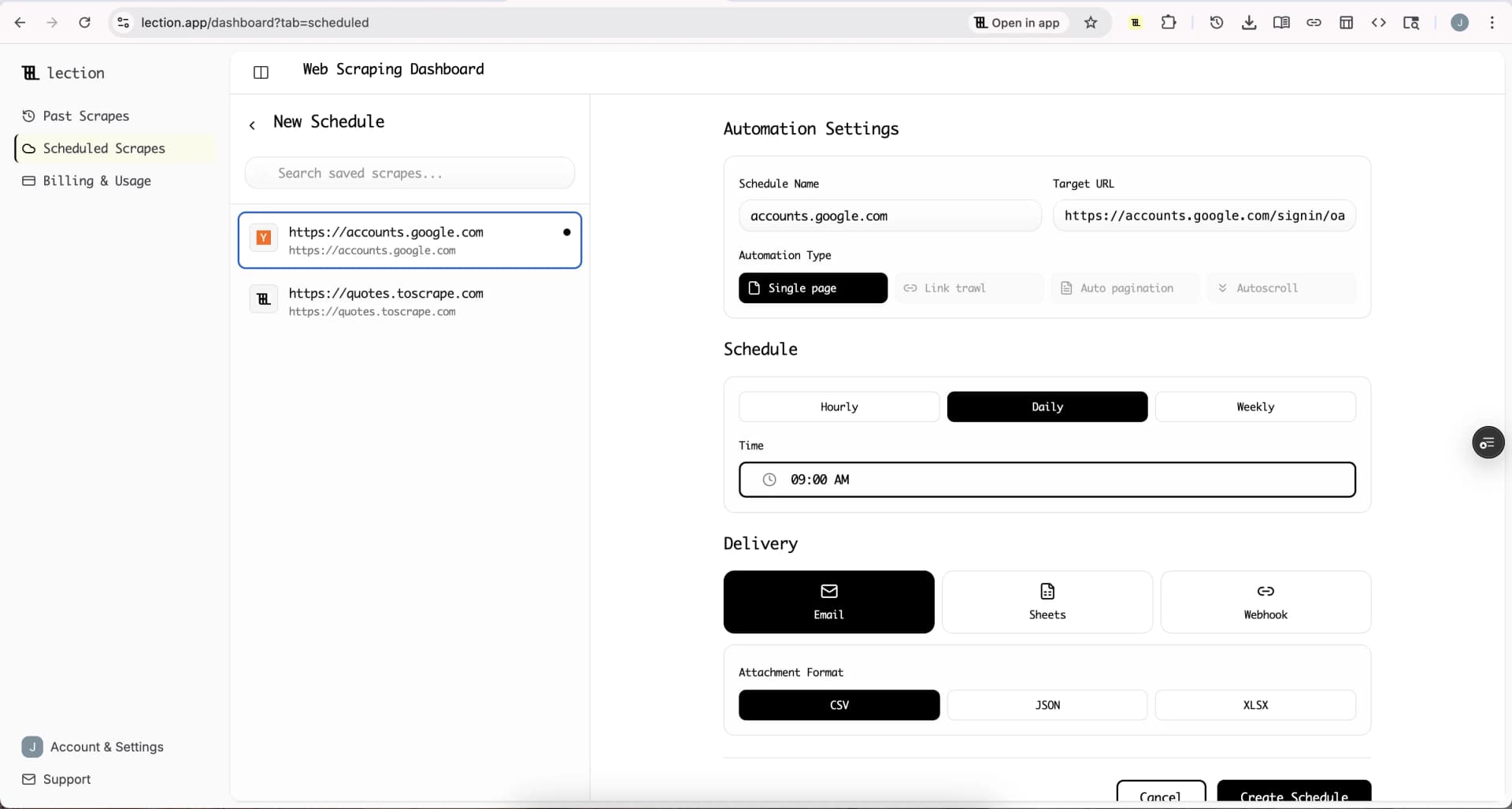
Once you know which category pages, show pages, or recurring guest formats matter, schedule the scrape. A daily or weekly cadence is usually enough. The point is not to monitor everything. The point is to monitor the handful of public sources that repeatedly surface the right people.
What makes the list useful for outreach?
A list is only valuable if it changes the quality of the first message.
Useful podcast outreach data usually lets a rep or strategist say something specific:
- "You mentioned hiring sales leadership on a recent episode..."
- "Your comments on pricing complexity matched what we see with similar companies..."
- "You framed retention as the bottleneck, which is exactly why I am reaching out..."
That is far better than generic personalization based on a title alone. Podcast appearances surface how a person thinks, which problems they are willing to discuss publicly, and which audience they are trying to reach.
If your team sends high-volume outreach, keep one discipline in place: do not confuse public signal with permission for spam. Public appearances justify relevance, not low-quality blasting. The strongest workflows still use human review before campaign launch, especially when personal data is involved. If your process crosses into regulated or personal data, keep the safeguards in our legality by country guide and GDPR checklist close at hand.
Troubleshooting and edge cases
Podcast research gets messy quickly if you do not plan for the obvious failure modes.
The same guest appears on multiple shows
That is common, and often useful. Repeated appearances may signal an active launch, fundraising push, or a coordinated media tour. Keep the duplicates at the appearance level, but add a normalized guest or company field so you can group them later.
Some episode pages barely mention the guest
Do not force missing data. Capture what is visible, keep the source URL, and let enrichment happen later. A sparse record with clean provenance is better than a padded record built from assumptions.
Broad categories create noisy lists
Business and marketing categories are large by design. If the first export is noisy, narrow the workflow by show, subtopic, geography, or campaign language. Smaller lists with clear intent almost always outperform giant generic exports.
Outreach owners lose the original angle
This happens when the sheet only stores a guest name and company. Always keep a summary field, topic field, or short note explaining why the appearance mattered. Otherwise the team ends up rewatching or rereading the episode page before sending anything.
The workflow starts collecting data nobody uses
This is the biggest operational risk. If the list is not feeding a campaign, scorecard, or CRM step, stop and tighten the thesis. Podcast guest scraping is useful because it supports a real workflow, not because it produces more rows.
Conclusion
Podcast guest lists are valuable because they capture public attention at the moment it is being created. They tell you who is speaking, what they are talking about, and which audience they are trying to reach. When that information moves into a structured workflow, outreach gets more timely, more contextual, and easier to review.
Lection makes that workflow practical in the browser. You can turn public podcast pages into clean records, enrich the best leads, and route them into the tools your team already uses without building custom scrapers.
Ready to start scraping? Install Lection and extract your first dataset in minutes.